What is a Botanero
A botanero is not a bar. Not exactly. Botaneros are the key to understanding the social life of the Chiapas capital.
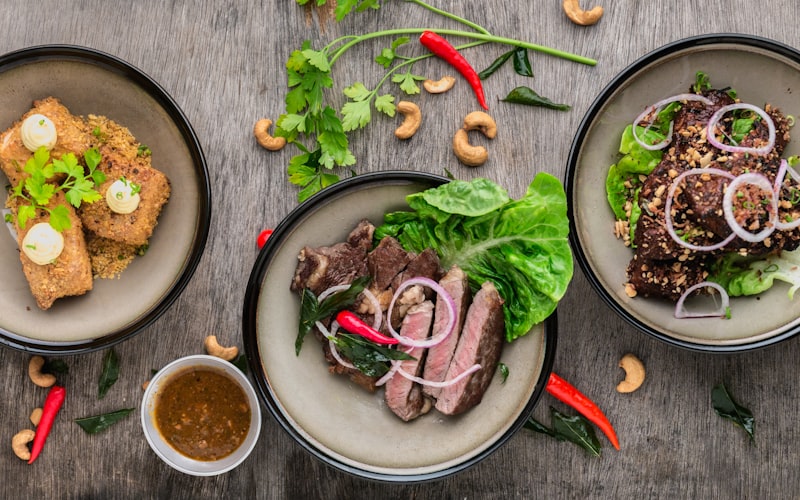
The mechanics are unique: when you order a drink — mezcal, beer, posh — the house brings you free food with no limit and no additional charge. These aren't peanuts or olives. They're elaborate dishes: tacos, tostadas, soups, salads.
It's a way of socializing completely different from the rest of Mexico. In a Tuxtla botanero, you pay for the drink but the food is courtesy of the house. The actual cost of spending an evening is minimal, but the experience is maximum.
This tradition reflects deep Chiapas hospitality: the idea that sharing food is an act of community, not a commercial transaction.
Chiapas Botana Culture
The botanas that accompany drinks in Tuxtla's botaneros are labor-intensive to prepare. Each requires technique, fresh ingredients and dedication. They are not appetizers but genuine meals.
Botanas are generally served in small shareable plates. The idea is that you order a drink, receive botanas, and while you converse and enjoy them, you order another drink, receive more botanas. This is how the evening unfolds.
The ideal accompaniment is mezcal or cold beer. Mezcal, especially, complements the rich flavors of Chiapas botanas perfectly. There's a historical reason: mezcal and botana emerged together as a form of socialization that democratized access to good food.
The Botanas You'll Find
- Chipilín with ball: A dough wrapped in chipilín leaf, a local plant with delicate, earthy flavor. Light but satisfying.
- Cochito: Slowly marinated pork until caramelized. Juicy, flavorful, the heart of any quality botanero.
- Tasajo: Shredded meat, sun-dried and then seasoned. Pure protein, concentrated flavor.
- Chiapas Longaniza: Homemade sausage, seasoned with local spices. Not like longaniza from other places — this is authentic Chiapas.
- Tlayudas: Large and crispy tortillas, garnished with beans, cheese, meat. A hearty botana.
- Tostadas: Varied: tuna, shrimp, salpicón. Each establishment has its specialties.
- Various Tacos: Cochito, longaniza, tasajo. Tacos here are not a side dish, they're the main course.
Each botanero has its specialties. Local tradition dictates that you order different drinks to receive different botanas, creating a culinary progression throughout the evening.
Essential Places
Taquitos Casa Blanca
Located downtown, Taquitos Casa Blanca is the quintessential Tuxtla breakfast. Opens early in the morning. Tacos Tuxtla-style — cochito, longaniza, tasajo — are local legend. The atmosphere is pure authenticity: neighborhood people, workers, families. It's not luxurious but it's genuine. Going to Casa Blanca is understanding where Tuxtla food comes from.
Las Pichanchas
The complete Chiapas spectacle. Las Pichanchas has been for over 45 years the place where tourists and locals meet. Here you have: live marimba, folk dance, high-quality regional gastronomy. The botanas here are generous and varied. The atmosphere is festive but authentic — yes, it's more touristy, but the spectacle and food are genuine. Going to Las Pichanchas is living a proper Tuxtla party night.
Other Downtown Botaneros
Throughout the downtown area you'll find several more local, lesser-known, more economical botaneros. These are where Tuxtlecos eat. Look for places with wide-open doors, where you see people laughing inside. Those are the good ones.
How to Plan Your Botanero Tour
Start time: Begin late, around 8-9 PM. Tuxtlecos eat at different times than the rest of Mexico. Good places are full after 9 PM.
Movement strategy: Choose 3-4 places in a nearby geographic area (ideally downtown). Suggested order: start in a lesser-known local place, move to Casa Blanca or an intermediate restaurant, end at Las Pichanchas if you want spectacle or another botanero if you prefer authenticity.
Consumption pace: At each place, order a drink, enjoy the botanas, converse. Spend 45-60 minutes per site. The idea is to experience it, not race through.
Follow the locals: If you see groups of Tuxtlecos moving from one place to another, consider following them. They're probably going to good places tourists don't know.
Budget: Each drink costs between 40-80 pesos, botanas are included. For a night at 3-4 sites, budget 400-600 pesos per person (all-inclusive).
Tips for Going Like a Local
- Order mezcal or cold beer, not menu cocktails: Cocktails are for tourists. Locals drink mezcal or beer. That's what pairs perfectly with botanas.
- Botanas are shared: If you go in a group, a single plate can serve several. Food here is for socializing, not individual belly-filling.
- If there's marimba, you dance: Don't wait for formal invitation. Music is the invitation. Stand up and dance. Tuxtlecos appreciate genuine participation over tourist isolation.
- Talk to owners and cooks: Ask what's best, what they recommend. Chiapas hospitality responds to politeness and genuine interest.
- Bring cash: Many small places don't accept cards. Be prepared.
- Don't be too loud, but do enjoy: Celebrate, but respect the shared space. You're in a local gathering place, not a nightclub.
- Return to the same places: Becoming a regular is part of the experience. Tuxtlecos recognize and value those who come back.
✨ Book & Save
Recommended links to complement your trip. Booking through these links supports Marimbas Home at no extra cost.
Related guides

Tuxtla Gutiérrez
Discover Tuxtla Gutiérrez: things to do, where to eat, nearby day trips and why it

Complete Chiapas Travel Guide
Your ultimate Chiapas travel guide: cities, waterfalls, Mayan ruins, cuisine and.

Marimba Garden Park
Discover the Marimba Garden Park, where Chiapas folk music comes alive. Free concerts.